
Milwaukee Wisconsin: What to Do, Where to Go, and Why It Surprises Everyone

Most people who have never been to Milwaukee have an opinion about Milwaukee based on nothing. They picture a cold, post-industrial city with a beer museum and not much else. Then they arrive, walk the Riverwalk from the Historic Third Ward through downtown to Brady Street, eat somewhere genuinely good, visit the Harley-Davidson Museum or the Milwaukee Art Museum, and leave wondering why nobody told them sooner. This happens constantly and it is the entire story of Milwaukee as a travel destination: the gap between its reputation and its reality is the opportunity.
Table Of Content
Whether you are coming from Chicago for the weekend, flying into MKE for the first time, or exploring Wisconsin from within the state, here is what Milwaukee actually delivers and how to organize your time in it well.
Book a Self-Guided Scavenger Hunt: Milwaukee A Splash of Color on your next visit to learn more about the city.
Start at the Milwaukee Art Museum
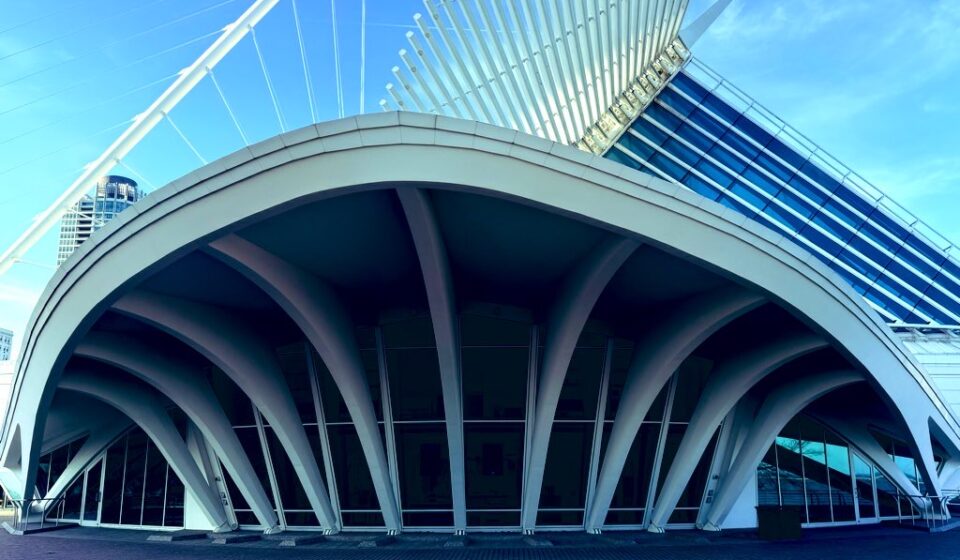
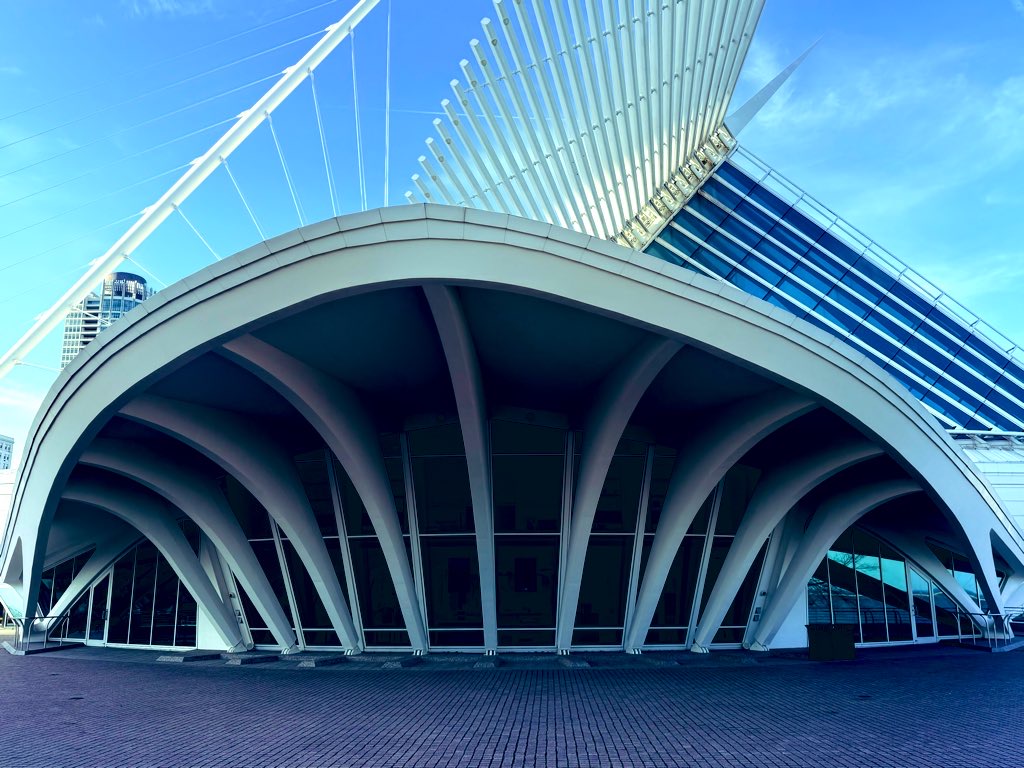
The Milwaukee Art Museum at 700 N. Art Museum Drive is the first stop for a reason that goes beyond the permanent collection. The Quadracci Pavilion, designed by Santiago Calatrava and completed in 2001, opens its movable ‘brise soleil’ wings at 10am daily and closes them at 5pm. If you are standing on the lakefront when this happens, you will stop walking. The building itself — a 90-foot vaulted nave, the Burke Brise Soleil spanning 217 feet is one of the most architecturally significant structures built in America in the last 25 years. Inside, the permanent collection spans 25,000 works from antiquity to the present. Adult admission runs $22. The museum is free on the first Thursday of every month.
The Harley-Davidson Museum– More Than You Expect
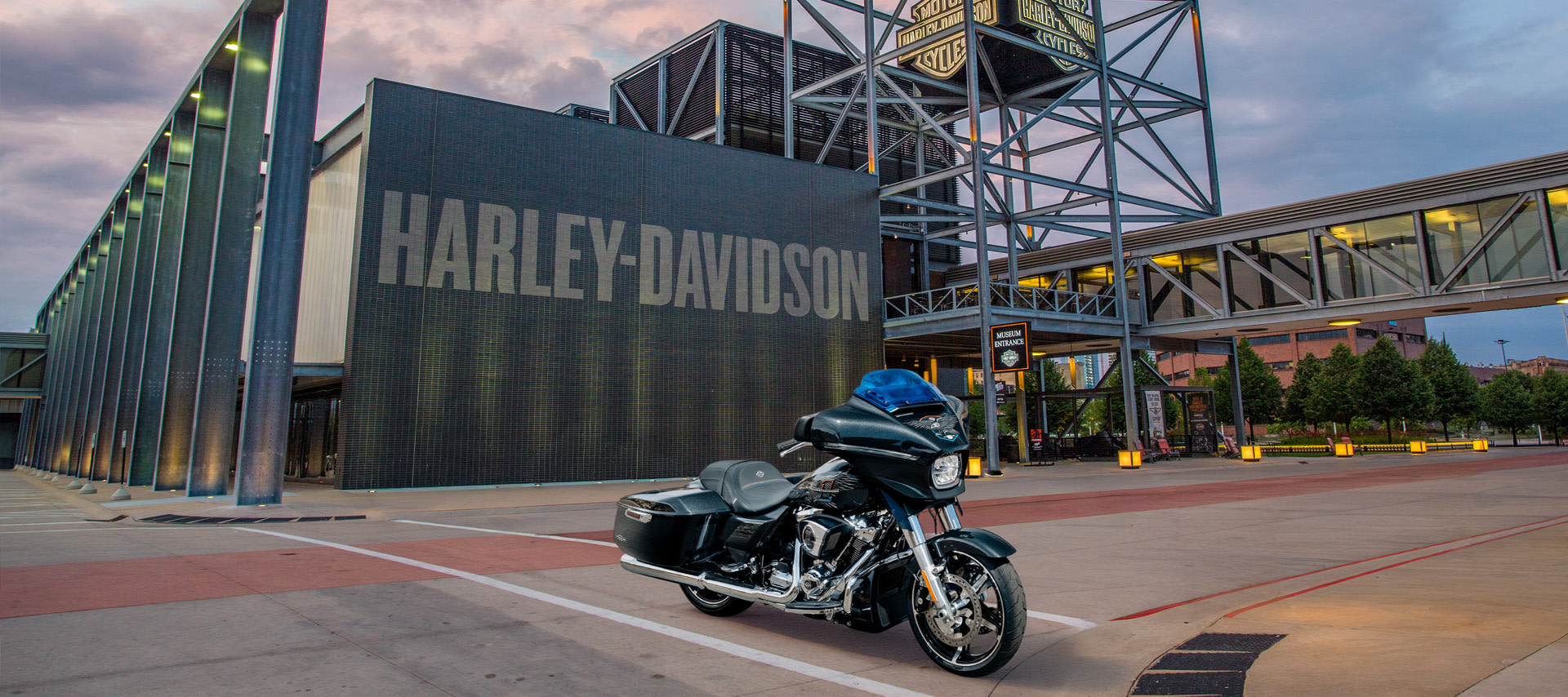
The Harley-Davidson Museum at 400 W. Canal Street is the only museum of its kind in the world, located on 20 acres of downtown Milwaukee riverfront in the city where Harley-Davidson was founded in 1903 in a 10-by-15-foot wooden shed. The museum covers two floors with more than 120 years of motorcycles, memorabilia, and American cultural history. Permanent exhibits include Serial Number One, the oldest known Harley-Davidson motorcycle, and a gallery of custom bikes built for Elvis Presley and stunt rider Alfonso Sotomayor Canales. A motorcycle recovered from the 2011 Japanese tsunami is also on display.
New for summer 2026, Custom Fridays brings custom car and motorcycle culture to the museum every Friday night as a free community gathering. Thursday Bike Night runs throughout summer as Milwaukee’s premier weekly motorcycle gathering open to the public. The Motor Bar and Restaurant is on the museum grounds and is accessible without museum admission. Free parking on site- a rare amenity in downtown Milwaukee.
The Milwaukee Riverwalk and Historic Third Ward
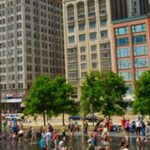
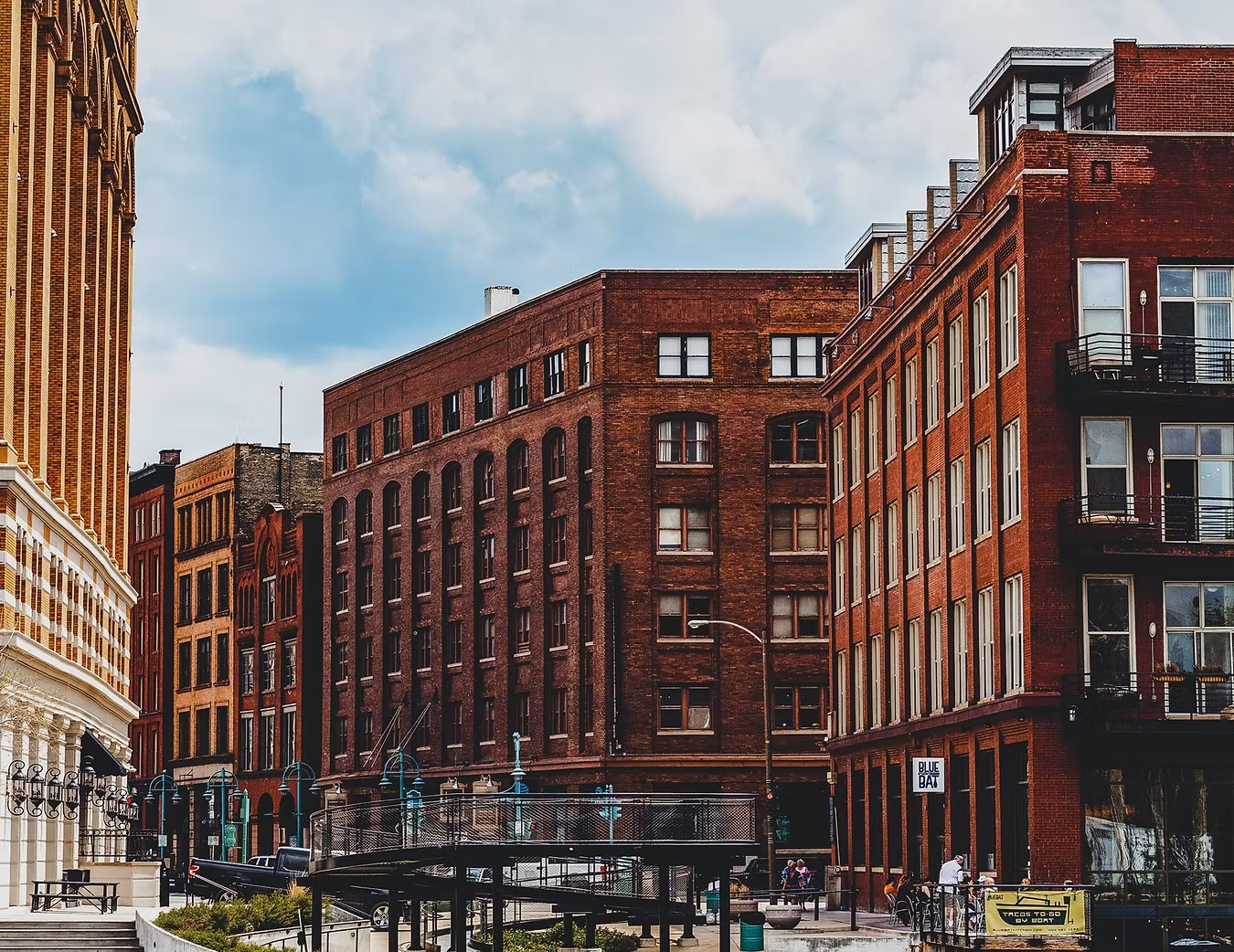
The Milwaukee Riverwalk is a 3-mile stretch of walkways, public art, restaurants, and bars along the Milwaukee River. Start in the Historic Third Ward- a warehouse district on the National Register of Historic Places that functions as Milwaukee’s arts and fashion corridor- walk through downtown, and end at Brady Street on the east side. Along the route you pass the Milwaukee Public Market at 400 N. Water Street, which has 20-plus permanent vendors selling local cheese, bread, fish, and prepared food in a converted market building open daily. This walk takes 90 minutes without stops and half a day if you eat properly along the way.
Summerfest and the Festival Calendar
Summerfest holds the Guinness World Record as the world’s largest music festival and runs for 11 days across three weekends in late June and early July at Henry Maier Festival Park on the lakefront. Eleven stages, hundreds of performers, general admission approximately $25 per day. The broader Milwaukee festival calendar includes Polish Fest, German Fest, Irish Fest, Festa Italiana, and the Indian Summer Festival, all at the lakefront grounds. No other city of Milwaukee’s size produces a comparable public summer calendar.
Neighborhoods Worth Actually Visiting
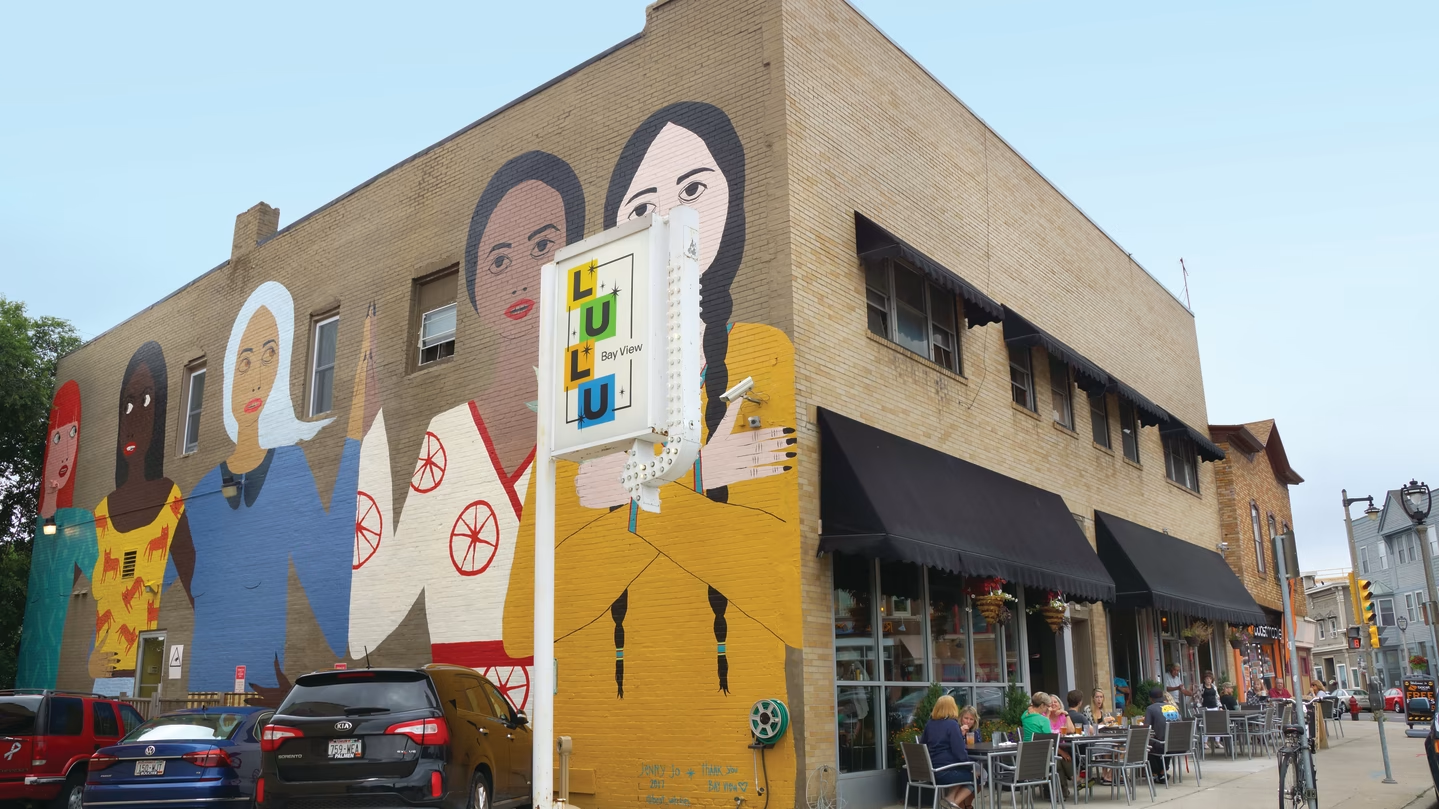
Bay View on the south side is Milwaukee’s most talked-about neighborhood for restaurants in recent years. Walker’s Point south of downtown has the most diverse bar and restaurant corridor along South 2nd Street. Brady Street on the east side has independent bookshops, coffee, and bars that have existed long enough to have real characters. All three give you a version of Milwaukee that the hotel corridor does not. The Basilica of Saint Josaphat at 601 W. Lincoln Avenue is the largest Polish church in the Western Hemisphere, modeled on St. Peter’s Basilica in Rome and free to visit as a working church daily.
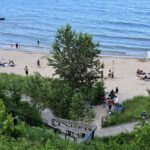
The people most surprised by Milwaukee are the ones who drove past it for years on I-94 between Chicago and Madison without stopping. The lakefront is genuinely beautiful. The museum is world class. The food scene punches above Milwaukee’s weight and the prices punch well below Chicago’s. Give it a weekend before you decide what kind of city it is. The city you find will not be the one you expected.