



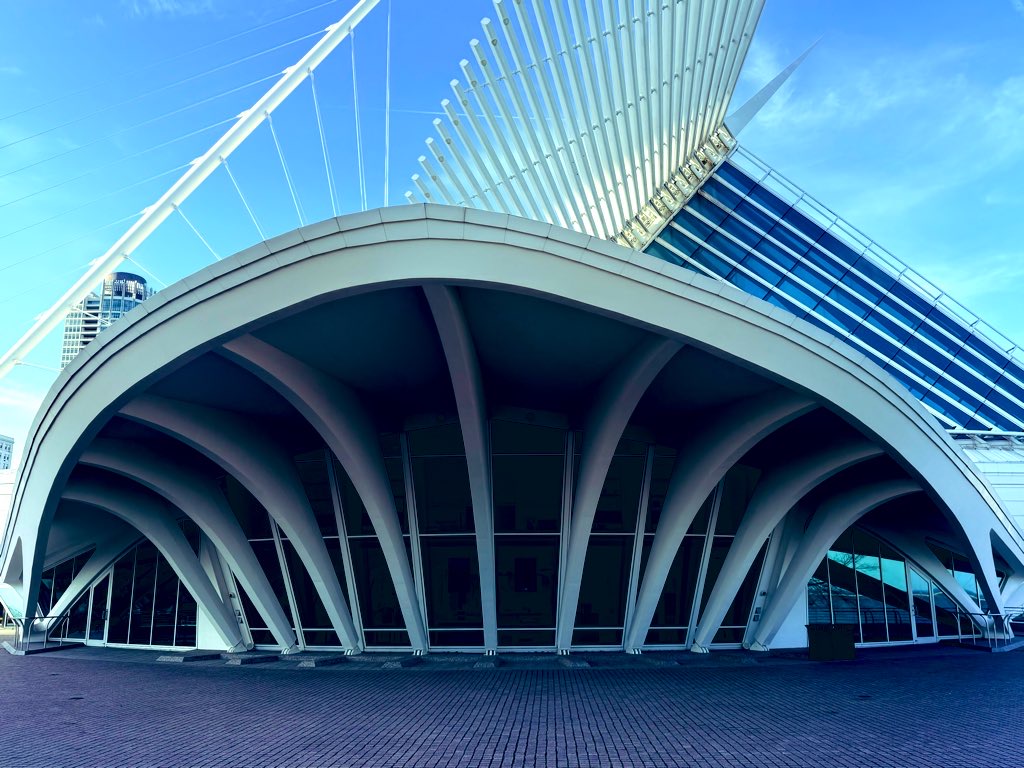
The first morning I drove past the Milwaukee Art Museum I pulled over without planning to. I was not going anywhere important. I just needed to stop and look at the building for a moment.
Table Of Content
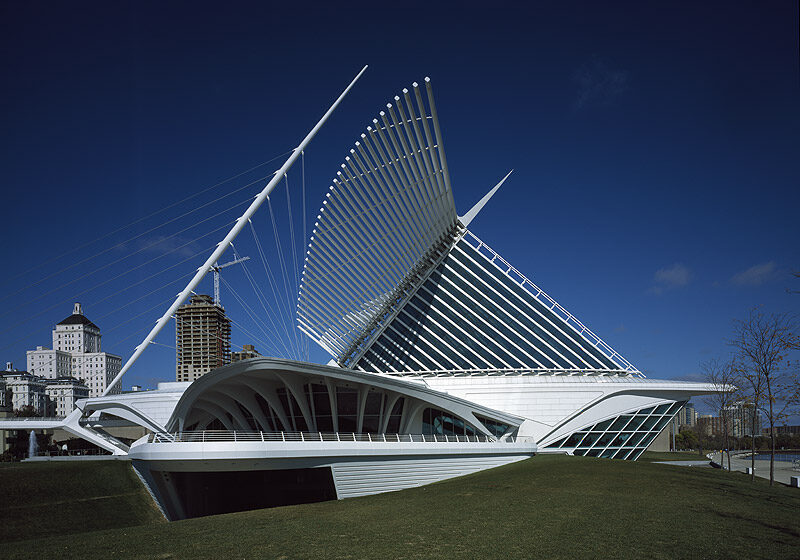
Santiago Calatrava’s Quadracci Pavilion opens its brise soleil wings over Lake Michigan every morning at ten o’clock. The wings span 217 feet. The movement takes about three and a half minutes. A small crowd gathers every day to watch it, many of whom have seen it dozens of times.
That is what the Milwaukee Art Museum does from the outside. What it does on the inside is worth your time too and on free community days it costs nothing to find out.
The Free Days
The Milwaukee Art Museum offers free general admission on the f irst Thursday evening of each month and on select other dates including community days and special events. Here’s a schedule for free days.
First Thursday evenings are particularly good. The museum stays open later, the crowd differs from weekend daytime visitors, and the building has an atmosphere at night that the daylight hours do not replicate. Lake Michigan through the pavilion windows at dusk is something specific. Wisconsin residents under 12 are always free. Students with valid ID receive discounted admission.
What to See Inside
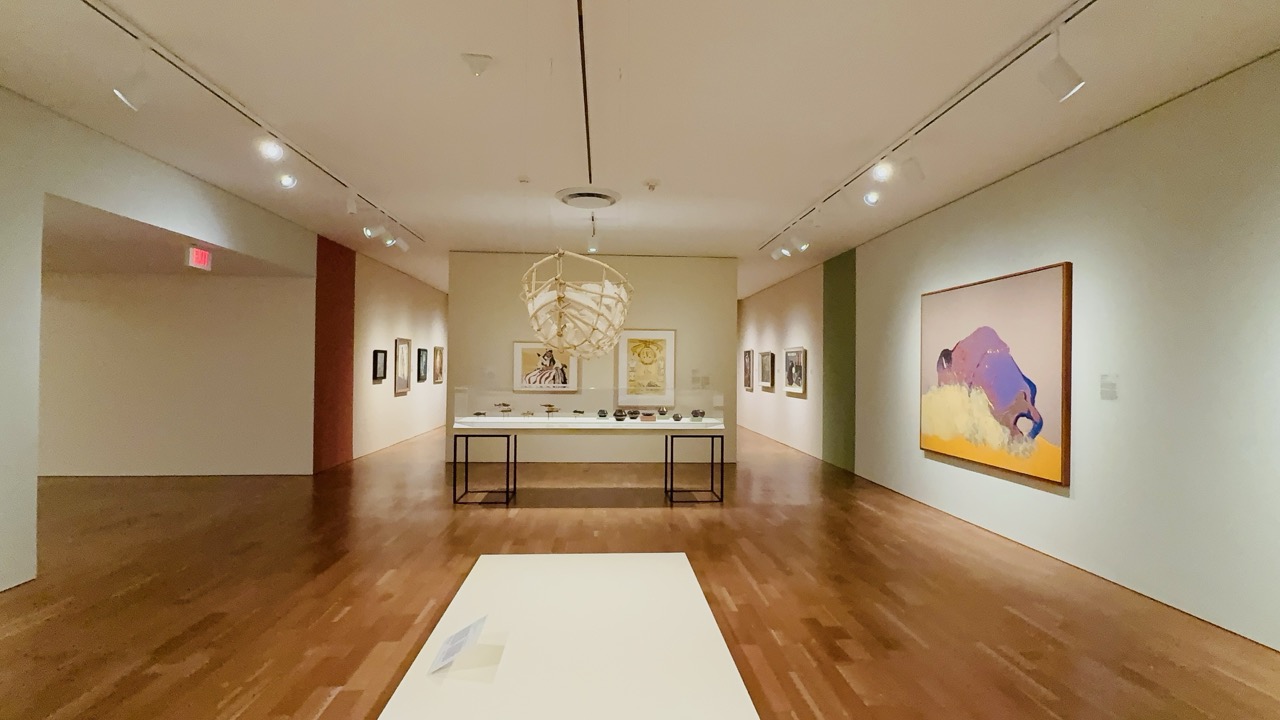
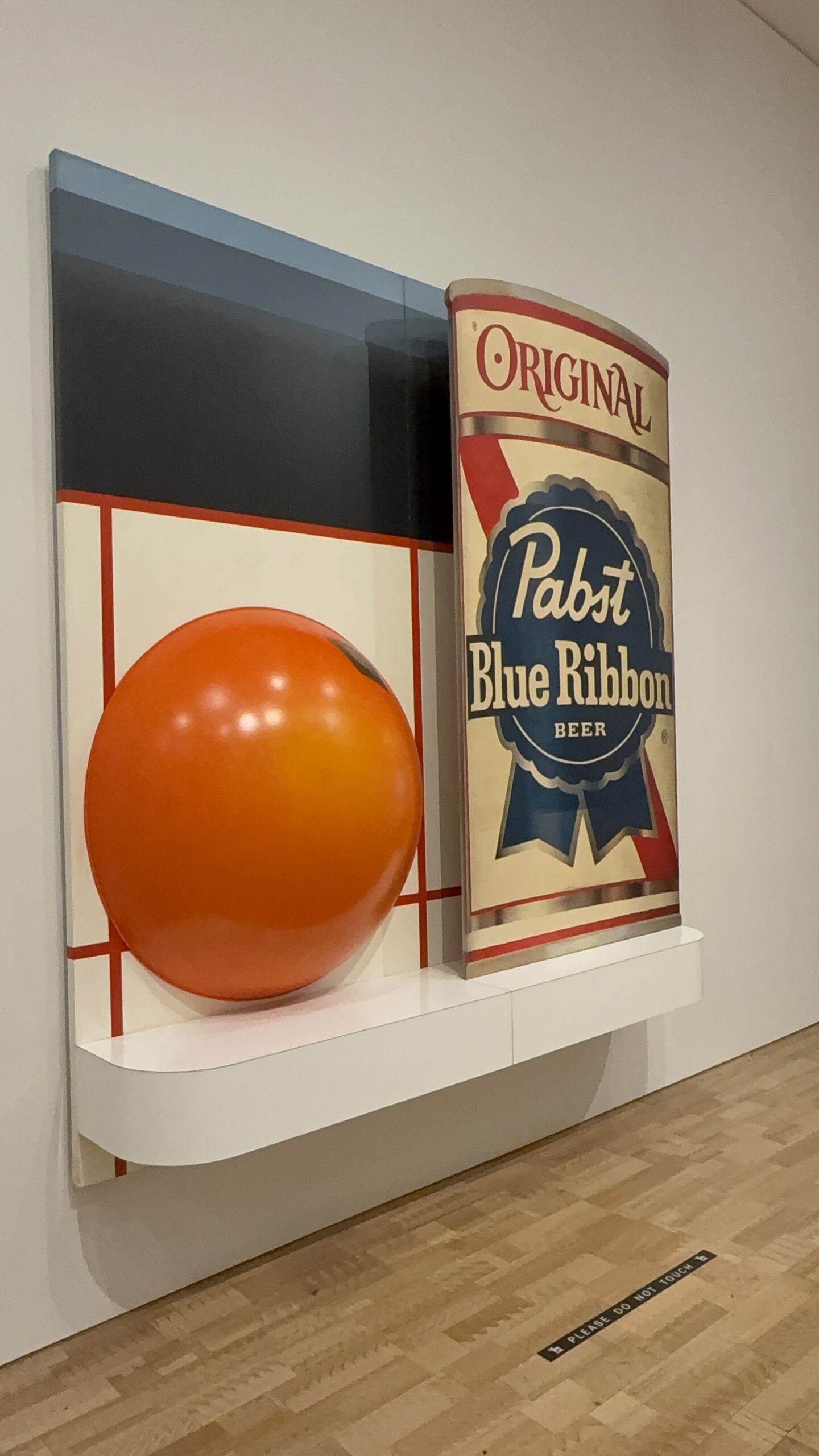
The Milwaukee Art Museum holds around 30,000 works across a collection spanning ancient to contemporary. On a first visit these holdings deserve priority.
The Wisconsin decorative arts and folk art collection is one of the strongest regional collections in the country; quilts, furniture, ceramics, and objects made in Wisconsin across three centuries. If you want to understand the material culture of this region, start here.
The American art galleries cover the 18th through 20th centuries with particular strength in the post-war period. The Georgia O’Keeffe holdings are significant. The collection of German Expressionist works is one of the best in the United States outside New York.
The Bradley Collection covers 20th century European and American modernism with works that would anchor the permanent collection of any institution twice the museum’s size.
The Building Itself
The Calatrava addition is what everyone photographs but the original building the War Memorial Center designed by Eero Saarinen is equally worth attention. The relationship between the Saarinen structure, the 1975 Kahler addition, and the Calatrava pavilion creates an architectural conversation that repays close looking.
The lakeside terrace accessible from the Calatrava pavilion is one of the best public spaces in Milwaukee. Raised above the lakefront with views of Lake Michigan in every direction, it is accessible without museum admission and worth visiting on any clear day.
Getting There
The Milwaukee Art Museum sits at 700 Art Museum Drive directly on the lakefront, adjacent to the lakefront trail and Veterans Park. It is walkable from downtown in about 15 minutes along the lake.
Parking is available in the museum lot with a fee. Street parking exists along Lincoln Memorial Drive. You can also have free parking right in front of Discovery World and close to the Summerfest grounds. The lakefront trail connects directly to the museum entrance and bike parking is available on site.
The Milwaukee Art Museum exists at a level above what a city of Milwaukee’s size would typically sustain. Someone built this collection carefully over a long time. It deserves more than a quick pass.
If you’re you’re looking to explore the city further, read this post.