

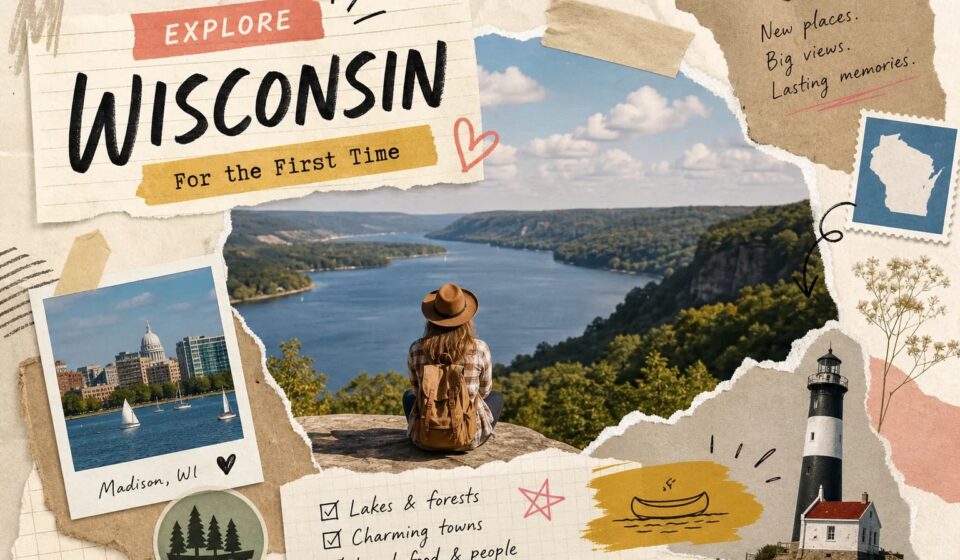
Wisconsin is one of the most underestimated road-trip states in the country, and if your only frame of reference for travel to Wisconsin is cheese curds and waterparks, you’re missing much of what makes this place worth the drive. Over at Near and Unknown, I’ve spent years digging into the corners of this state that don’t show up on generic travel roundups, and every season I find something new worth putting on the map. By the time you finish this guide, you’ll know which region fits your timeline, which season to target, and what the trip will realistically cost, no vague suggestions, no fluff.
Table Of Content
- Why Wisconsin surprises most first-time visitors
- Best time to travel to Wisconsin: reading the seasons
- Fall foliage in Wisconsin
- Winter and spring in Wisconsin
- Wisconsin attractions and destinations worth putting on your map
- Building your Wisconsin itinerary: three frameworks that actually work
- Getting to Wisconsin: transportation and travel tips
- What a Wisconsin road trip actually costs
- Start here, then go deeper
- Related posts
Most first-timers land in Wisconsin expecting a flat, quiet landscape between Chicago and Minneapolis. What they find instead is a state with five distinct travel personalities: a city-centered south anchored by Milwaukee and Madison, a coastal peninsula that recalls New England’s shoreline towns in feel and scenery, a glacier-carved state forest, a lake-and-forest Northwoods, and a dramatic Lake Superior shoreline most Americans have never seen. That range is exactly what makes planning a Wisconsin trip feel overwhelming at first. This guide breaks it down into decisions you can actually make.
Why Wisconsin surprises most first-time visitors
The Dells-and-cheese reputation isn’t wrong; it’s just incomplete. Wisconsin Dells is genuinely the self-proclaimed Waterpark Capital of the World, and yes, cheese is a legitimate point of regional pride. But that version of the state represents only a small portion of the state’s 72 counties. The rest of the map holds glacial landscapes carved by the last ice age, bluff towns perched above the Mississippi River, dense boreal forests in the north, and a Great Lakes shoreline that stretches longer than most people imagine.
The five main travel regions worth understanding before you book anything are: the southeast anchored by Milwaukee and Madison, the Door County peninsula along Lake Michigan, the Central Wisconsin corridor around the Dells, the Northwoods lake country around Minocqua and Eagle River, and the Lake Superior shore near Bayfield and the Apostle Islands. Each one has a different feel, a different pace, and a different audience. Knowing which region fits your trip style is the single most useful decision you’ll make in the planning stage.
Near and Unknown exists specifically to cover the Wisconsin that lives between those regions: the bluff towns along the Great River Road, the quiet state natural areas near Kettle Moraine, and the small local festivals that don’t make national travel lists. Think of this blog as the local friend who tells you where to stop and where to keep driving.
Best time to travel to Wisconsin: reading the seasons
Wisconsin is a genuinely four-season destination, and the right time to visit depends entirely on what you want to do. Summer runs June through August and gives you the widest access to everything: full lake recreation, open campgrounds and ferry routes, and festivals running nearly every weekend across the state. This is also peak pricing and peak crowds, especially in Door County and the Dells. For families and first-timers who want everything open and accessible, summer is the easy answer.
Fall foliage in Wisconsin
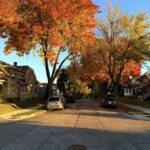
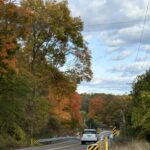
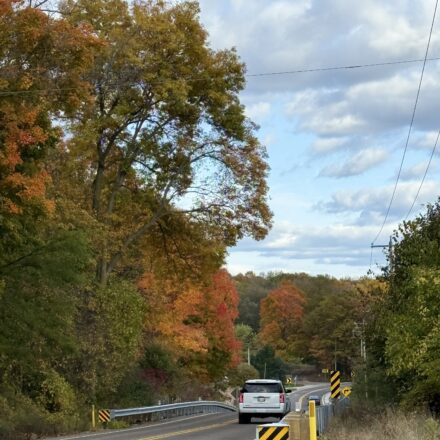
Fall is Wisconsin’s best-kept secret. The color progression moves north to south: the far northern counties around Bayfield and the Northwoods peak in early October (the 2026 forecast puts far northern Wisconsin at roughly October 2 through 6), central Wisconsin follows around mid-October, and southern areas including Milwaukee hold into late October and early November. You get dramatically fewer crowds than summer, cooler temperatures for hiking, and some of the most scenic backroad driving in the Midwest. If you’re planning around foliage, target early to mid-October and position yourself in the northern third of the state first, then move south as the week progresses.
Winter and spring in Wisconsin
Winter activates a completely different Wisconsin. Frozen lakes open up ice fishing, groomed snowmobile trails thread through the Northwoods, and small-town warmth becomes the main draw. This is the season for repeat visitors or travelers who know exactly what kind of cold-weather trip they want. Spring is the shoulder season with the most variability: mud season tends to run long in the north, campgrounds reopen on rolling schedules, and the scenery takes a while to fully arrive. If you do visit in spring, the southern half of the state, Milwaukee, Madison, and the Great River Road, comes around earlier and is the better bet.
Wisconsin attractions and destinations worth putting on your map
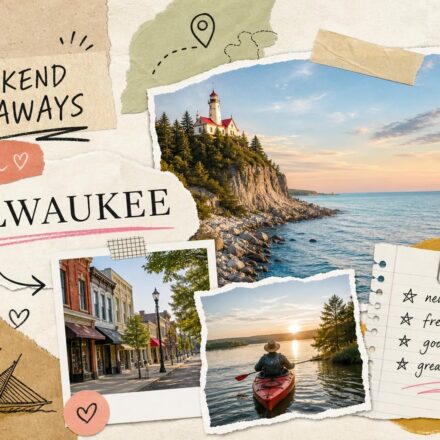
Milwaukee is the right starting point for most first-timers, and not just because it has the biggest airport. The Milwaukee Art Museum, the Harley-Davidson Museum, the RiverWalk, and a food scene that punches well above its weight give you a full day without any effort. The lakefront trail is free, the Third Ward neighborhood is walkable, and the Milwaukee Public Market is worth an hour even if you only stop for a coffee. Madison, about 90 minutes west, adds the State Capitol, the Memorial Union Terrace on Lake Mendota, and Olbrich Botanical Gardens. These two cities pair cleanly for a two-day urban opener before you head into the rest of the state.
Door County is the destination that converts skeptics. The peninsula offers 300 miles of shoreline, lighthouse routes, Peninsula State Park, Cave Point County Park, and small harbor villages like Fish Creek and Sturgeon Bay that feel genuinely unhurried. It brings to mind coastal New England in character, though quieter and, for most travelers, noticeably easier on the budget. A stop in Green Bay fits naturally on the same eastern corridor, especially if Lambeau Field is on your list.
For the Northwoods experience, Minocqua and Eagle River are solid entry points to the lake-and-forest version of the state. Push farther north to Bayfield and you reach the Apostle Islands National Lakeshore, where sea caves, lighthouse paddles, and Lake Superior’s sheer scale create the kind of trip highlight that makes people come back to Wisconsin the following year. The Apostle Islands section of this route should feel aspirational: it’s the reward at the end of a longer itinerary, not a quick detour.
Building your Wisconsin itinerary: three frameworks that actually work
Three days is enough for one region done right, not a state-wide sampler. The Great River Road is the best three-day option in the state: start in Eau Claire or La Crosse, follow the bluffs south through Stockholm, Pepin, and Alma, and finish in Madison. Alternatively, a Door County long weekend works well for anyone flying into Milwaukee. The rule here is simple: commit to one corridor, slow down, and actually see it.
A five-day trip opens up the Madison-to-Milwaukee-to-Door County sequence, which is the most logical Wisconsin road trip for first-timers. Spend Days 1 and 2 split between Madison and Milwaukee, move north to Door County for Days 3 and 4, and use Day 5 for the return south via Green Bay. Driving legs average two to three hours, which keeps the pace comfortable without burning half each day in the car.
Seven days is the minimum for a full-state circuit. A practical route: Days 1 and 2 in Milwaukee and Madison, Days 3 and 4 in Door County, Day 5 into the Northwoods around Minocqua, Day 6 at Bayfield and the Apostle Islands, Day 7 returning south through Hayward or down the western corridor. This isn’t a rushed sprint through the highlights; it’s a genuine look at what Wisconsin’s different regions actually feel like at ground level.
Getting to Wisconsin: transportation and travel tips
Milwaukee Mitchell International (MKE) is the primary hub and the right airport for most first-timers. Dane County Regional (MSN) works well if your trip is Madison-first. If you’re flying into Chicago O’Hare, Amtrak’s Hiawatha service connects directly to Milwaukee, and the Empire Builder runs the western and central corridor with stops at Wisconsin Dells, Tomah, and La Crosse. The eastbound Empire Builder hits Wisconsin Dells around noon and Milwaukee by early afternoon, which makes it a legitimate option for car-free arrivals in the central and western parts of the state.
The honest answer about getting around: outside of Milwaukee and Madison, you need a car. Door County has no meaningful public transit. The Northwoods has none. The Apostle Islands ferry requires you to get yourself to Bayfield first, and Bayfield is not served by any regional bus line. A rental car is not optional for most of the destinations on this list. Plan for it in the budget and don’t try to work around it. Typical driving times to keep in mind: Milwaukee to Madison is about 90 minutes, Milwaukee to Door County is roughly three hours, and Madison to Bayfield runs about four and a half hours.
What a Wisconsin road trip actually costs
Budget travelers spending $80 to $120 per day can cover campground or hostel-style lodging, diner meals, and state park day passes ($13 for Wisconsin-plated vehicles, $16 for out-of-state, verify current rates before you go, as fee schedules update annually). An annual state park pass at $50 for out-of-state plates pays for itself quickly if you’re hitting multiple parks over a week. Midrange travelers at $150 to $250 per day get comfortable motel or Airbnb stays, sit-down meals, and room for paid attractions. At $300 or more per day, you’re looking at waterfront inns, fine dining, and guided kayak tours in the Apostle Islands. At every price tier, Wisconsin runs noticeably more affordable than coastal destinations of comparable quality.
The free and cheap wins are genuine, not filler. Milwaukee’s lakefront and Riverwalk cost nothing. The Milwaukee Art Museum offers free admission on First Thursdays. Madison’s Memorial Union Terrace charges nothing to sit at on a summer evening. Door County has overlooks, county parks, and beaches that are completely free to access. Near and Unknown’s Wisconsin content regularly surfaces these no-cost options alongside the paid ones, because a good trip doesn’t require spending money at every stop.
Start here, then go deeper
The travelers who get the most out of Wisconsin aren’t the ones who try to check every region in one trip. They’re the ones who pick a season, commit to a corridor, and slow down long enough to notice what’s around them. If you plan to travel to Wisconsin for the first time, start by choosing a season and committing to one corridor so you can actually experience the region you picked.
The decisions that matter most before you book: know your season, match your timeline to a region, and resist the urge to overpack the itinerary. A three-day Door County trip done well beats a seven-day sprint across the state done poorly every time.
Near and Unknown exists to help you find the places between the big stops, the bluff towns, the quiet trails, the local festivals, and the overlooks that don’t have signs yet. Browse the Wisconsin guides on this site before you finalize the itinerary, and you’ll leave with a trip that feels like a real discovery rather than a checklist.